1. Executive Summary
DarkMatter Market Mirror serves as an analytical lens into one of the decentralized hidden service networks operating exclusively on the Onion routing protocol. Established as a privacy-centric cryptographic exchange platform, the subject ecosystem primarily facilitates the transfer of digital goods, informational archives, and open-source intelligence assets.
Unlike legacy architectures that centralized trust, this marketplace differentiates itself by enforcing rigorous operational security parameters at the user interface level. Observers note a strict adherence to minimal-javascript policies and a total reliance on end-to-end cryptographic verification, ensuring that the platform acts purely as a routing mechanism rather than an autonomous custodian of data.
2. Technical Architecture
Cryptocurrency Implementation
The infrastructure maintains strict exclusivity for Monero (XMR). By omitting legacy blockchains, the network negates heuristic chain analysis. Observers have documented the implementation of dual-layer node routing to obfuscate transactional origins.
Walletless & Escrow Protocols
Centralized platform wallets are deprecated in favor of a walletless escrow system. Funds are routed directly to multisignature contracts, requiring cryptographic consent from at least two of the three network participants (Client, Merchant, Administrator) to execute settlements.
Mandatory PGP Infrastructure
Cleartext communication is actively suppressed by the server logic. The platform utilizes server-side public key directory parsing to enforce 2FA (Two-Factor Authentication) and automated internal messaging encryption via OpenPGP standards.
3. Historical Timeline
Genesis Block Integration
The initial hidden service descriptor was broadcasted to the Tor directory authorities. Early alpha testing focused on basic XMR node synchronization and static asset delivery.
Multisig Implementation
Transition from custodial wallets to a strictly non-custodial multisignature framework, fundamentally shifting the risk model away from the central administrating nodes.
Interface Refactoring
Deployment of a highly optimized, low-bandwidth CSS interface designed to reduce footprint over high-latency onion connections. Implementation of advanced anti-DDoS captchas.
4. Platform Interface Analysis
Visual heuristic documentation of the subject's operational interface. These archives demonstrate the front-end rendering presented to active nodes within the ecosystem.

Fig 1. DDoS Protection Screen
Initial cryptographic challenge to mitigate layer 7 network stress.
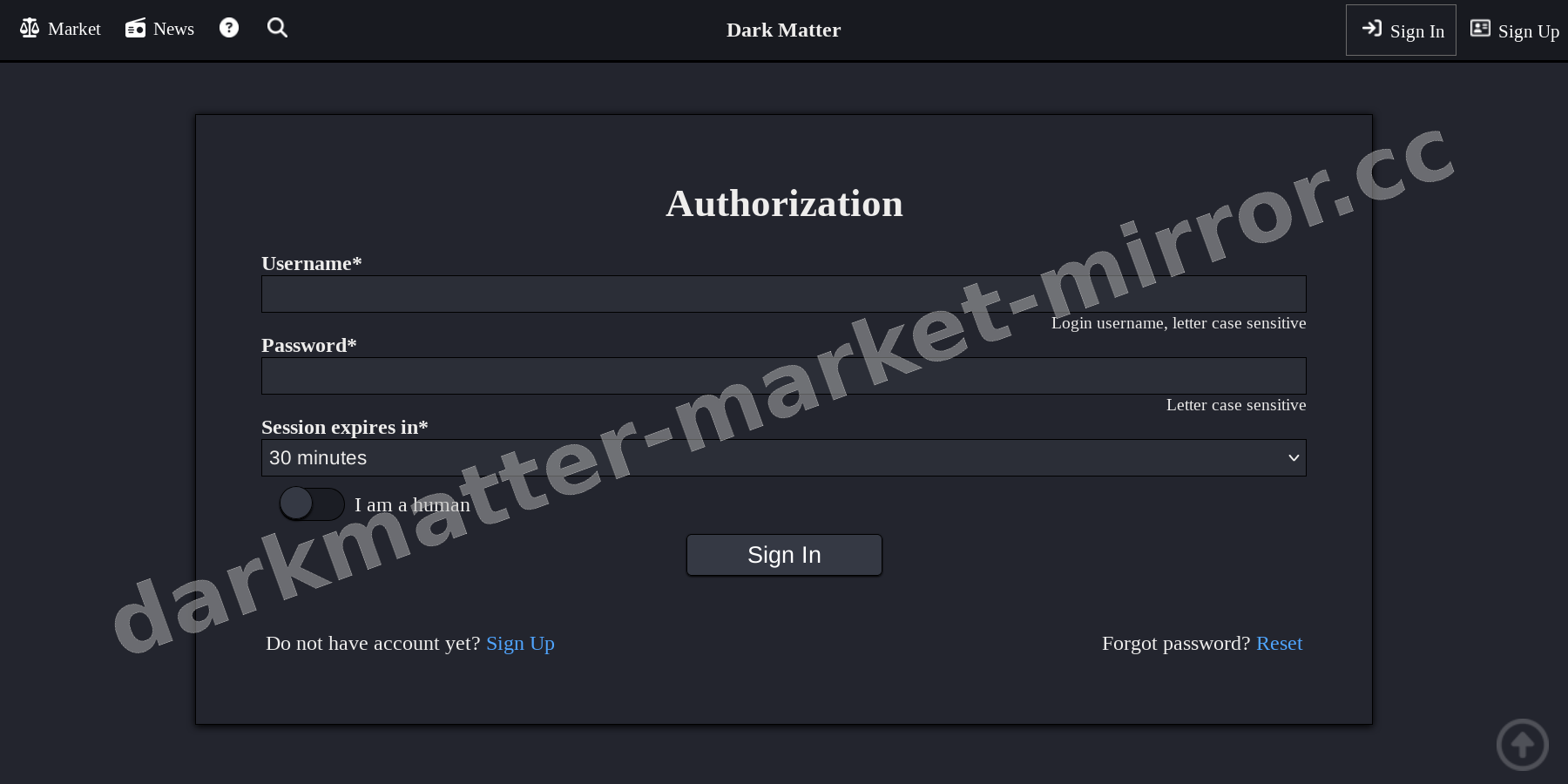
Fig 2. User Login Interface
Authentication portal requiring PGP decryption for session generation.
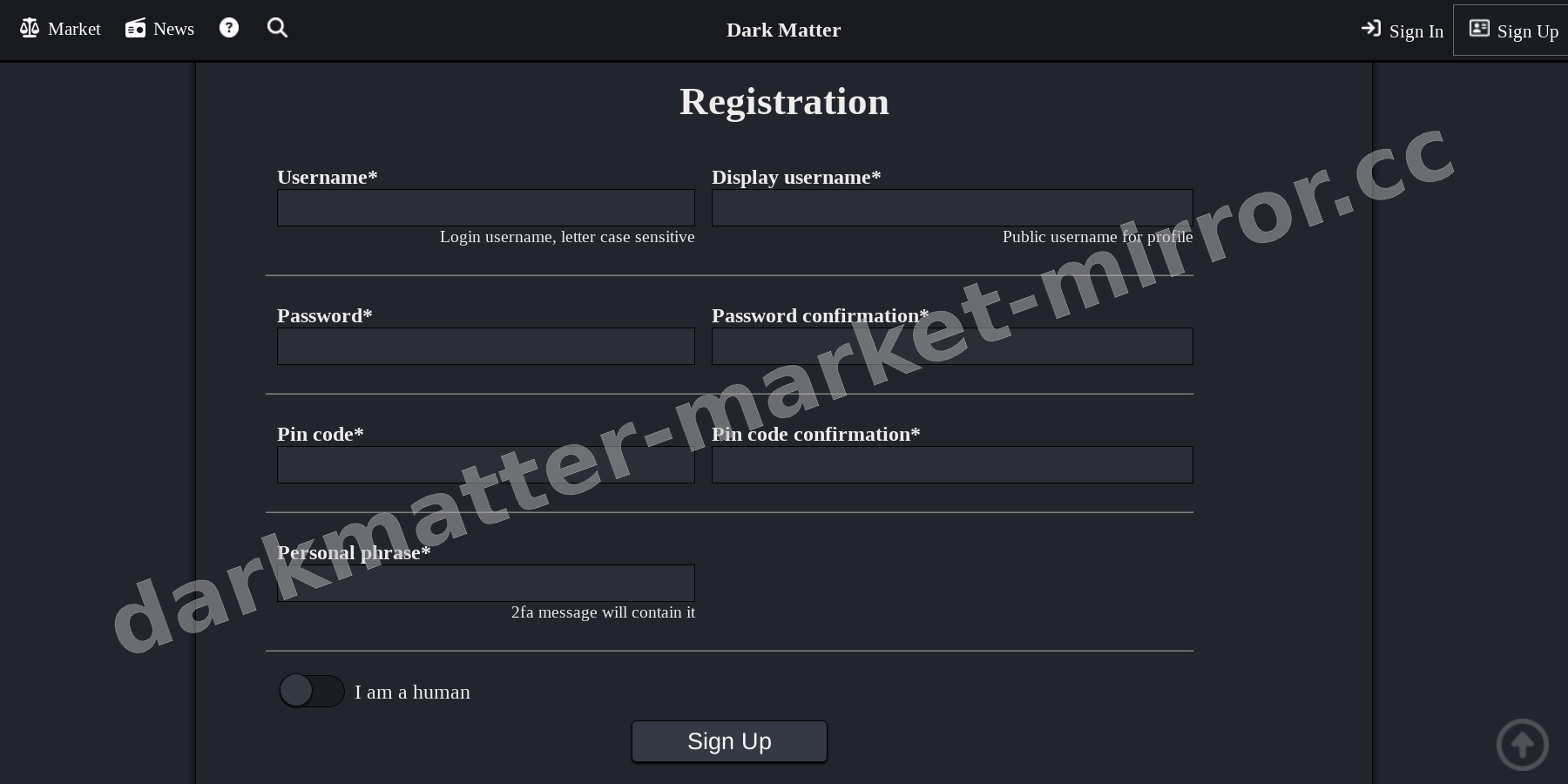
Fig 3. Account Registration Page
Mnemonic seed generation and public key association protocol.
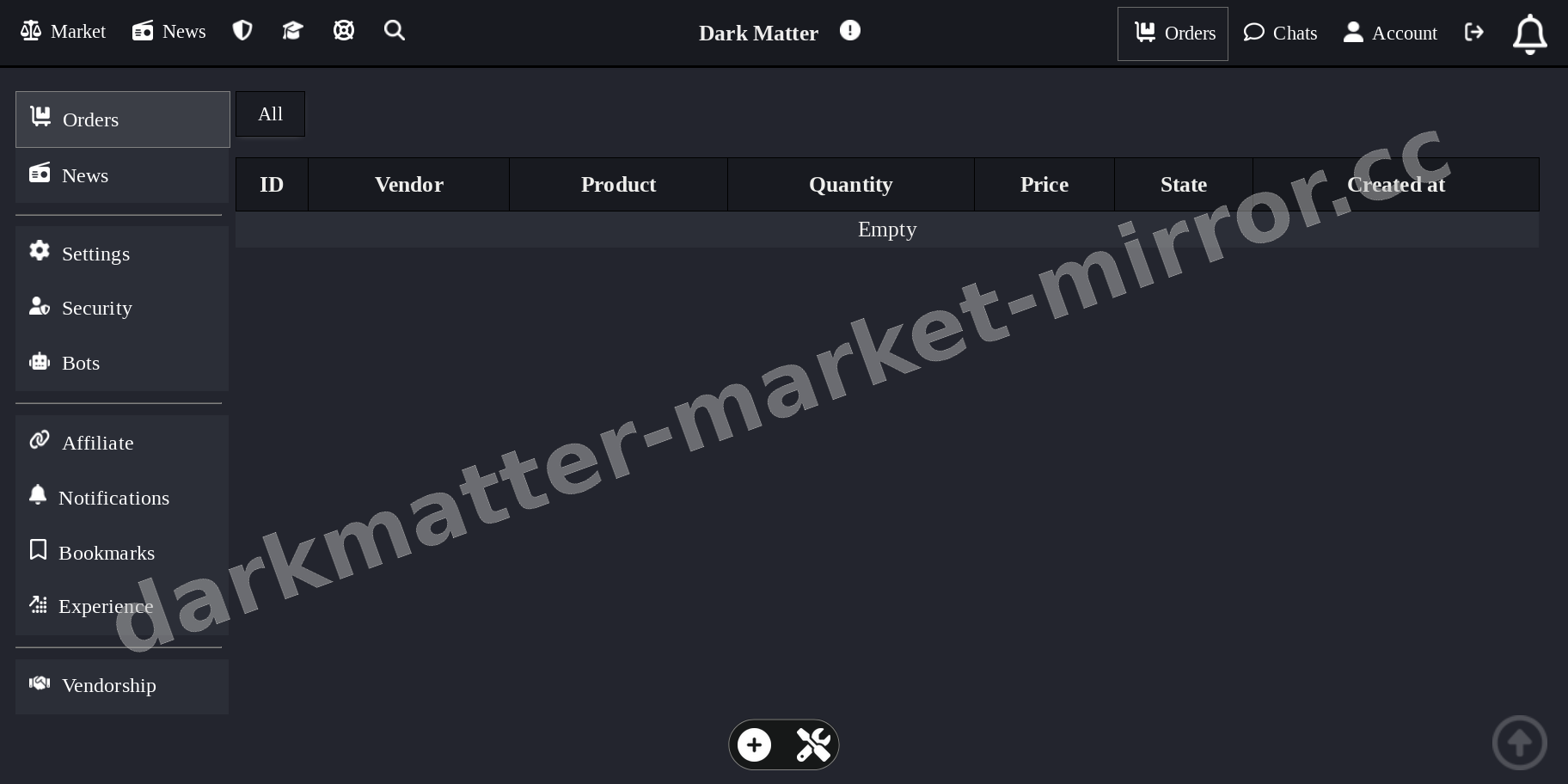
Fig 4. Main Market Dashboard
Primary routing view detailing category indexing and localized exchange rates.
5. Ecosystem Statistics & Protocols
Network Base
Analysis indicates a sustained volume of active client routing connections, characterized by high turnover and strict operational security protocols.
Merchant Accreditation
Provisions to deploy listings require verifiable PGP signatures and mandatory security bonds, establishing a financial barrier to deter network spam.
Consensus Reputation
Trust is decentralized via algorithmic reputation metrics. Metrics are publicly accessible, allowing independent verification of historical fulfillment data.